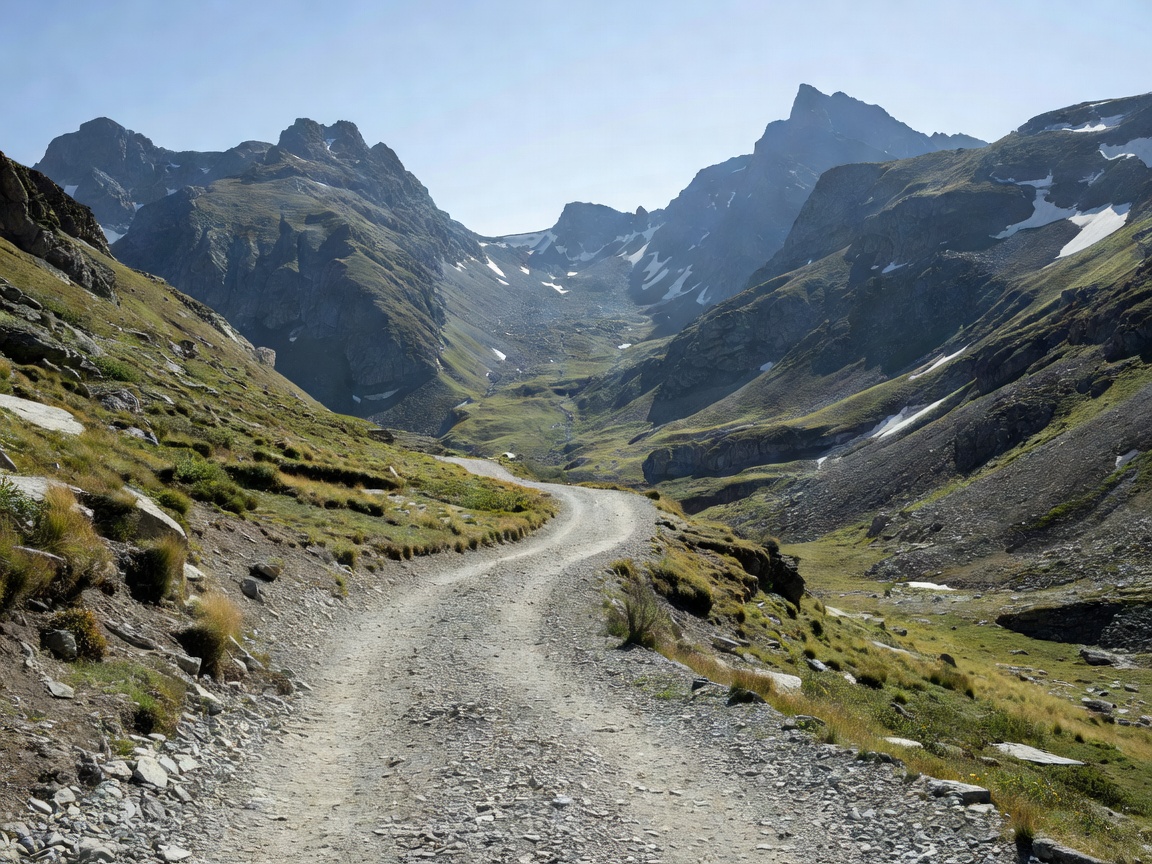
01 / DESTINATIONS ACCESS VARIES
Alpine 4x4 Destinations
Compare mountain tracks, gravel roads, forest access and valley connections. Assess surface, exposure, elevation and navigation needs before choosing a line.
Review destination typesALPINE ROUTE INDEX FIELD GUIDE 01
Route notes for mountain tracks and off-road destinations. Plan distance, elevation and access. Prepare the vehicle. Read seasonal conditions. Drive with care.
INDEX / 05 MODULES
Five practical guides. Start with route access, then match the plan to the vehicle and conditions.
01 / DESTINATIONS ACCESS VARIES
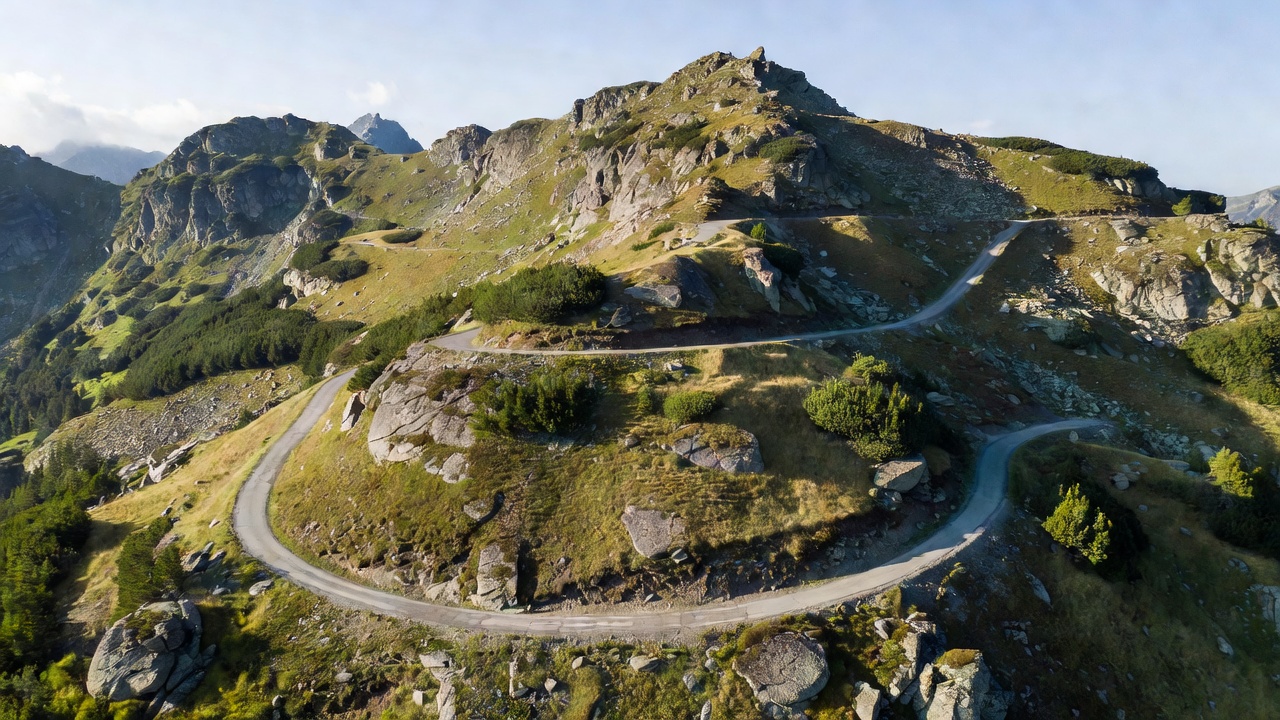
Compare mountain tracks, gravel roads, forest access and valley connections. Assess surface, exposure, elevation and navigation needs before choosing a line.
Review destination types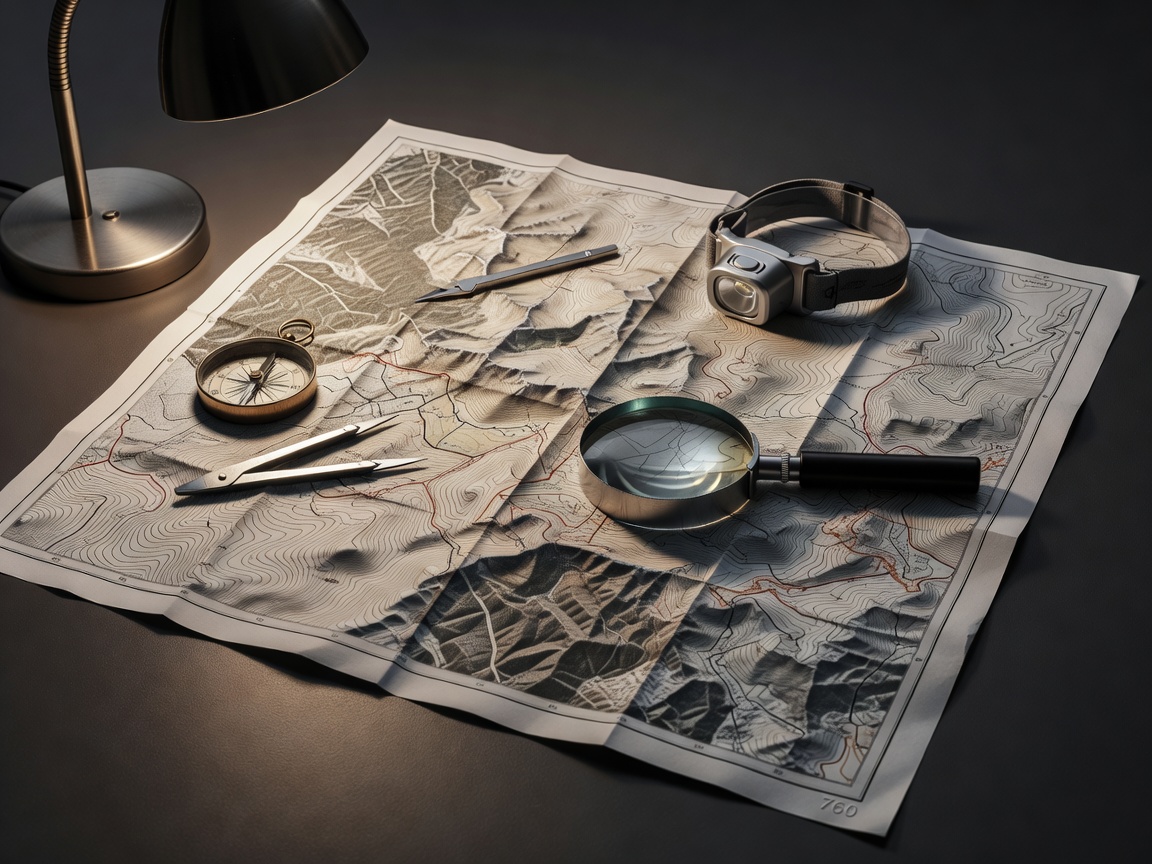
02 / NAVIGATION PLAN FIRST
Build a plan around distance, climb, travel time, fuel, daylight and weather. Add offline navigation, a turnaround point and a realistic alternative.
Build a route plan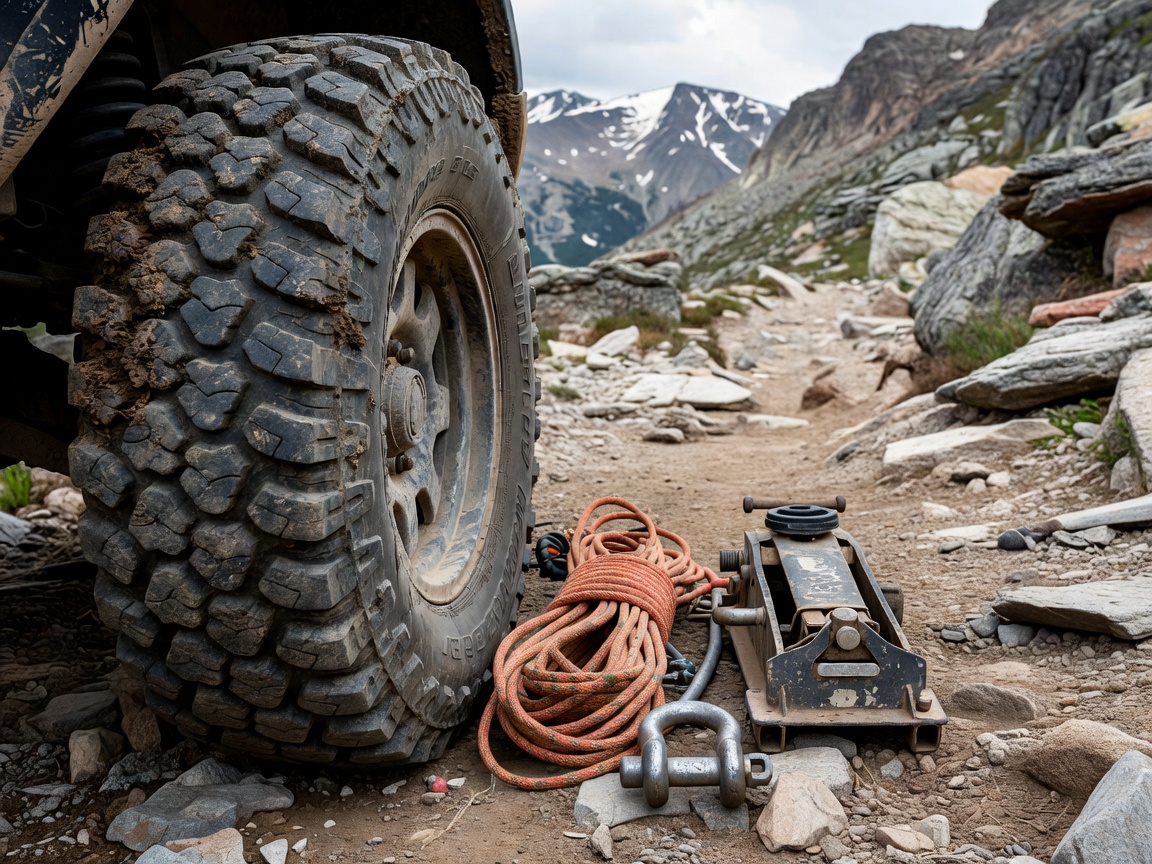
03 / VEHICLE SYSTEMS PRE-TRIP CHECK
Check tyres, spare, brakes, fluids, lights, battery, clearance and load. Separate routine inspections from work that needs a qualified technician.
Prepare the vehicle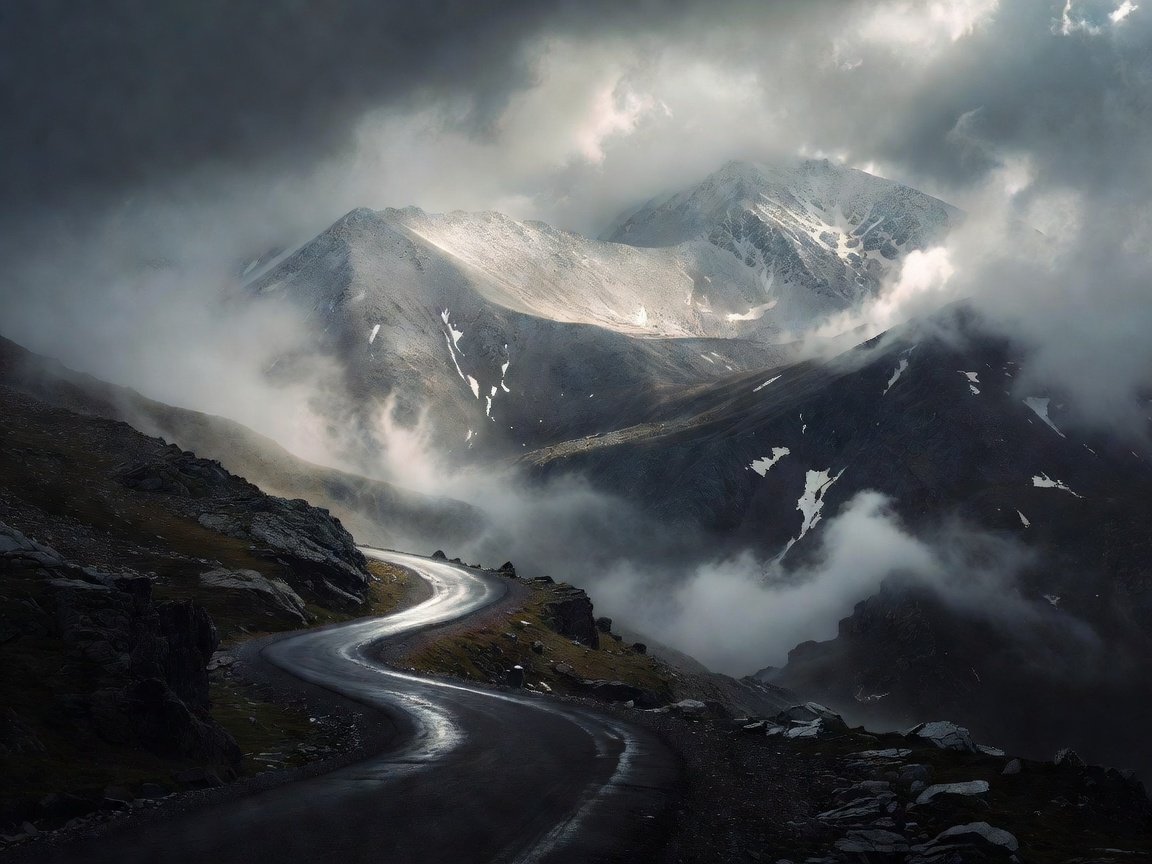
04 / CONDITIONS CHANGEABLE
Account for summer dust and storms, shoulder-season mud and early snow, and winter ice, cold and restricted access. Conditions can change quickly.
Compare seasonal risks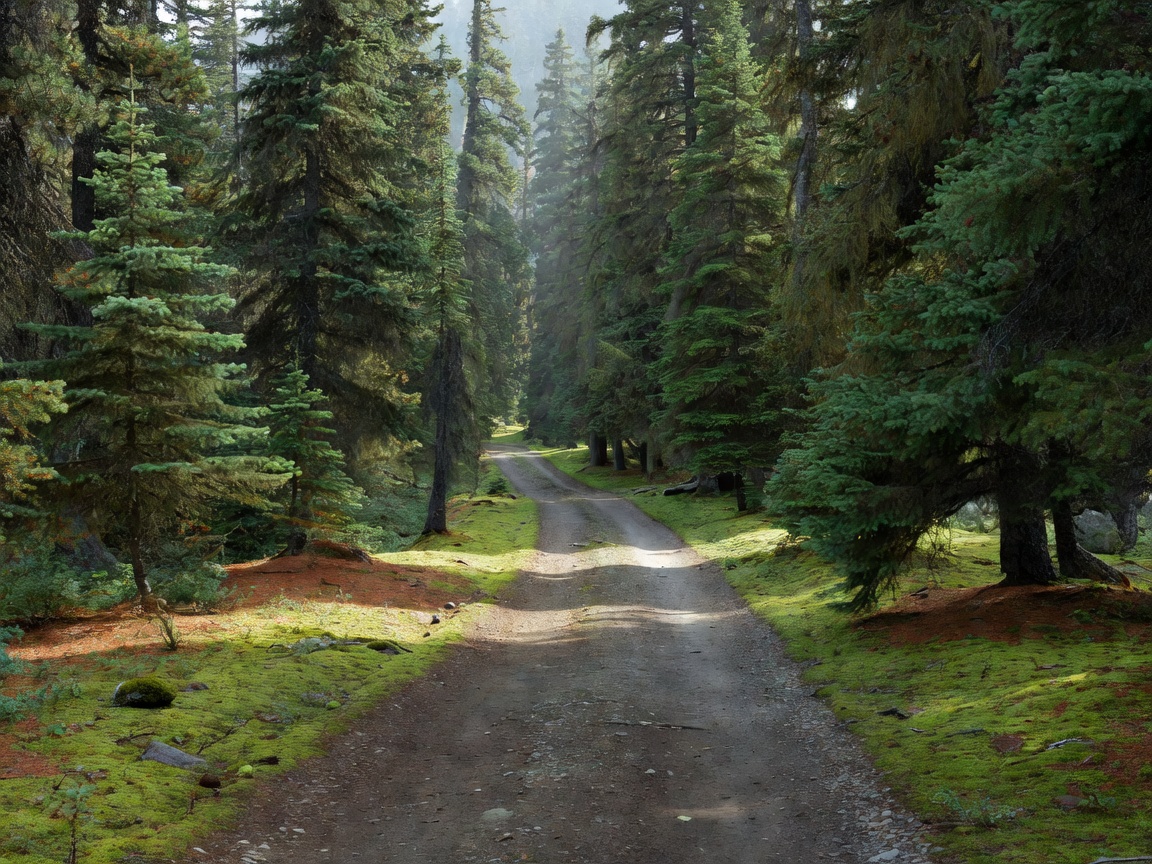
05 / STEWARDSHIP STAY PERMITTED
Stay on routes open to your vehicle. Respect closures, wildlife, residents and other trail users. Avoid damage and keep recovery clear of sensitive ground.
Travel responsiblyROUTE SEQUENCE / FIELD METHOD
A short route is not automatically a simple route. Work through each stage before departure.
Check route length, terrain, elevation and access.
Check vehicle condition, equipment and fuel planning.
Monitor weather, surface changes and visibility.
Adjust driving to terrain and local conditions.
Review the route, equipment and vehicle condition.
FIELD NOTICE
Access, rules and road conditions vary by location and date. Check current local sources before travelling. Do not enter restricted routes or bypass barriers.