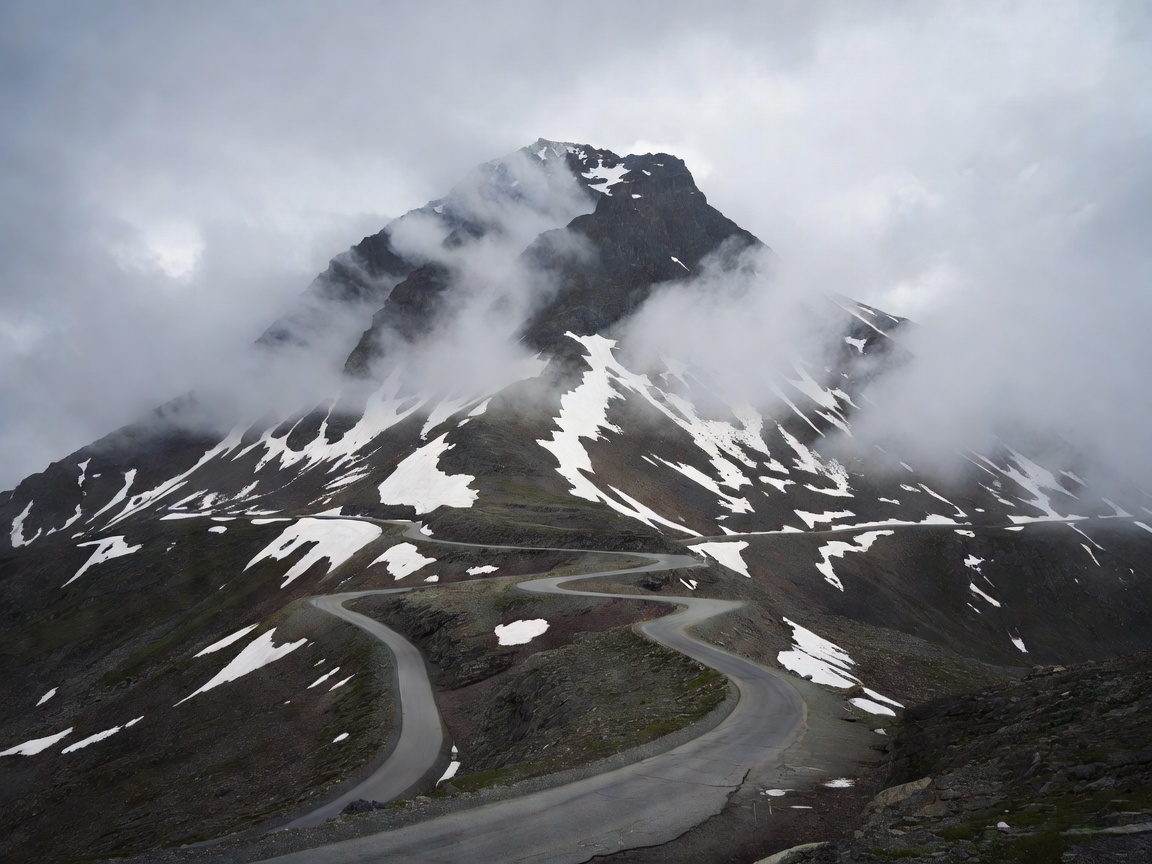
A calendar label cannot confirm road condition. Sunlit gravel can sit near a shaded icy bend. A clear morning can become a wet, windy afternoon. This page describes seasonal planning categories only. It does not report verified current weather, route openings, closures, snow depth or road condition. Check reliable local information close to departure, then reassess on the route.
01 / SUMMER
Dry does not mean predictable.
Dry gravel can create dust and reduce visibility between vehicles. Loose material may collect along the edge or on steeper sections. Leave space, reduce pace where sightlines are short and avoid driving into dust that hides the surface ahead.
Heat affects occupants, animals and vehicle systems. Carry appropriate water, plan shaded breaks where available and monitor temperature warnings. Afternoon storms can bring heavy rain, gusts, poor visibility and runoff. Exposed ridges and open slopes offer little shelter. Set a turnaround time that leaves a margin for a slower return.
Visibility can shift with dust, glare, cloud and rain. Clean lights and glass, use suitable lighting and stop somewhere safe if you cannot see enough to proceed. Summer access is not automatic; seasonal restrictions and local closures still apply.
02 / SHOULDER SEASON
Expect mixed surfaces on one route.
Spring and autumn can combine wet ground, mud, early snow, frost and rapidly changing skies. Shaded forest sections may remain damp while exposed ground dries. A surface that looks firm from the vehicle may conceal soft shoulders or a weak edge.
Daylight is shorter than in midsummer. Build the plan around the return journey, not a hoped-for arrival time. Check whether local access changes seasonally and verify before driving. If snow or ice is possible, assess whether the vehicle, tyres, equipment and driver experience are appropriate. Do not assume a 4x4 can compensate for unsuitable tyres or low visibility.
Shoulder-season routes can be especially difficult to evaluate from older photographs or map notes. Use current local updates and make a conservative decision if information is uncertain. A closed or impassable section is a reason to turn back, not to seek an unapproved bypass.
03 / WINTER
Grip, visibility and access all narrow.
Snow and ice can conceal road edges, ruts, obstacles and surface changes. Stopping distances increase when grip is reduced. Leave a larger margin, avoid abrupt inputs and do not continue if the vehicle cannot maintain safe control. Vehicle capability varies with tyre type, load, temperature, slope and driver skill.
Cold-weather planning includes suitable clothing, footwear, lighting, food and water, communication power and the ability to wait safely. Protect vulnerable equipment from cold in line with its maker’s instructions. Check vehicle battery and winter readiness before the trip. Specialist winter equipment may require training and route-specific judgement.
Access limitations can increase in winter, but no general statement establishes whether a particular road is open. Check local authority and land-manager information. Never cross a barrier or enter a route because a navigation application displays it. If conditions worsen, use a safe legal exit or stop and seek appropriate help.
04 / COMPARE THE SEASON
Different risks. Different planning margin.
Summer
Consider: dust, heat, storms and glare. Useful margin: water, visibility spacing and a plan for sudden rain.
Shoulder season
Consider: mud, wet surfaces, early snow and shorter daylight. Useful margin: flexible timing and clear retreat points.
Winter
Consider: ice, snow, cold and reduced visibility. Useful margin: suitable equipment, conservative route choice and verified access.
All seasons
Consider: rapid changes at elevation. Useful margin: current local information and willingness to cancel.
05 / CONDITIONS CHECK
Verify information in the right order.
Check an authoritative local forecast and access source, then review route-specific updates where available. Look at timing, elevation and exposure rather than relying on a single broad regional summary. A forecast describes likely conditions, not a guarantee for each bend or track.
Before moving, confirm that the vehicle is ready for the expected surface and that the group has enough daylight, fuel and suitable equipment. Agree on a stop or turnaround trigger. If the real conditions differ from the plan, reassess early. Do not let distance already travelled become a reason to continue.
GOOD FOR
Good for planning a seasonal go / no-go decision.
Use the comparisons to identify seasonal questions. They are not current conditions or route-opening information.
What to check
- Current local forecast and access restrictions.
- Surface changes, visibility, wind and daylight.
- Tyres, vehicle condition and seasonal equipment.
- Safe exits, turnaround points and communication.
- Whether all drivers can stop or cancel without pressure.